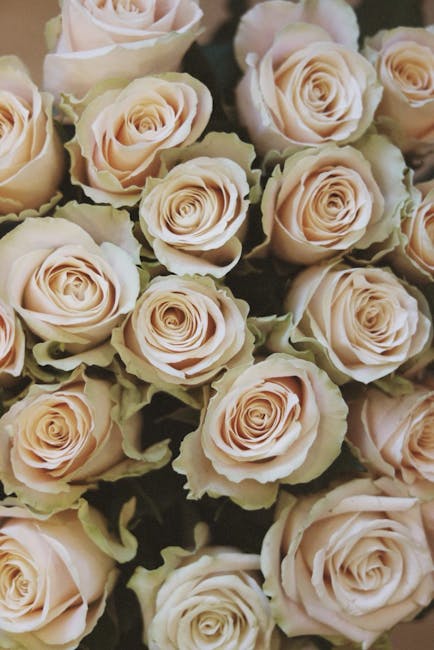
Top florists on Lordship Lane for wedding flowers
Posted on 15/10/2026
If you are planning a wedding and searching for Top florists on Lordship Lane for wedding flowers, you are probably juggling a few things at once: taste, budget, timing, and the simple hope that the flowers will look as lovely on the day as they do in your head. Fair enough. Wedding flowers are one of those details that quietly shape the whole feel of the celebration, from the first bouquet in the morning to the last vase on the dinner table.
Lordship Lane is a useful place to start because it sits close to a lively, design-aware part of South London, where couples often want flowers that feel personal rather than overly packaged. In this guide, we will walk through how to choose the right florist, what to expect from the process, which arrangements matter most, and how to avoid common mistakes. You will also find practical links to helpful pages on flowers, delivery, and wedding ranges where relevant.
To be fair, the best wedding flowers are rarely about choosing the biggest display. They are about getting the tone right. Elegant. Warm. Calm. A little bit special, without shouting about it.
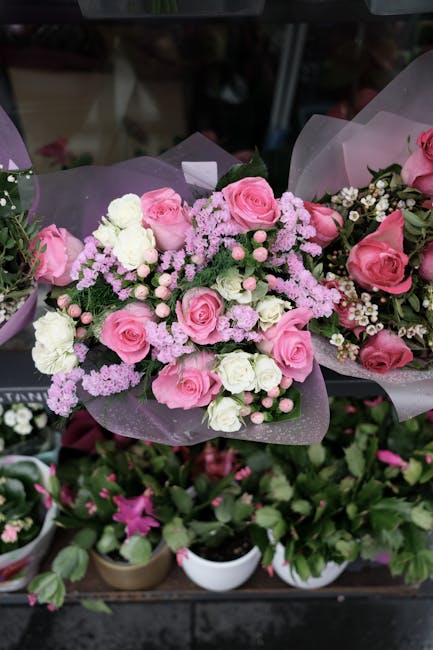
Table of Contents
- Why Top florists on Lordship Lane for wedding flowers Matters
- How Top florists on Lordship Lane for wedding flowers Works
- Key Benefits and Practical Advantages
- Who This Is For and When It Makes Sense
- Step-by-Step Guidance
- Expert Tips for Better Results
- Common Mistakes to Avoid
- Tools, Resources and Recommendations
- Law, Compliance, Standards, or Best Practice
- Options, Methods, or Comparison Table
- Case Study or Real-World Example
- Practical Checklist
- Conclusion
- Frequently Asked Questions
Why Top florists on Lordship Lane for wedding flowers Matters
Wedding flowers do more than decorate a venue. They connect the bouquet, ceremony, reception, outfits, and table styling into one coherent story. A good florist does not just hand over flowers; they help translate your ideas into something workable, balanced, and seasonally sensible.
That matters even more on a local high street like Lordship Lane, where couples often want a florist who understands the rhythm of South London weddings: city venues, intimate restaurants, church ceremonies, backyard receptions, and occasionally very ambitious Pinterest boards. You know the type. A tiny screenshot with an enormous expectation attached to it.
Choosing wisely also saves stress. Flowers are time-sensitive, and wedding timing is unforgiving. If the bouquet arrives late, if the table pieces are too tall for the room, or if the colour palette clashes with the bridesmaid dresses, the day can feel a little off. Not ruined, obviously, but off in that annoying way that sticks in your memory.
Top local florists are valuable because they tend to know what works in real settings. They understand how wedding flowers behave in different temperatures, how to work with awkward delivery windows, and how to keep everything looking fresh from morning prep through the first dance.
How Top florists on Lordship Lane for wedding flowers Works
The process usually starts with a consultation, even if it is informal at first. You share the date, venue, guest count, colour ideas, flower preferences, and budget range. A florist then shapes those ideas into an arrangement plan that may include bridal bouquets, bridesmaid bouquets, buttonholes, corsages, ceremony arrangements, aisle flowers, table centres, and reception installations.
On Lordship Lane, many couples look for a florist that can handle both the romantic statement pieces and the smaller supporting details. That balance is important. A wedding can fall flat if the bouquet is gorgeous but the table flowers feel like an afterthought. Equally, a room full of flowers can still feel unbalanced if the main bouquet is too formal or too busy for the dress.
Most of the planning happens well before the event date. Florists will usually consider seasonal availability, colour harmony, stem durability, vase or holder requirements, transport, and installation logistics. If you are planning a ceremony in the morning and a reception later in the day, the florist may also advise on hardy varieties that hold up under light, heat, and handling.
For couples who want a straightforward approach, it helps to look at wedding-ready ranges such as wedding flowers collections, bridal bouquets, bridesmaid bouquets, and buttonholes. Those pages can give you a sense of what is possible before you commit to a full brief.
There is usually a back-and-forth stage too. That is normal. You may tweak a flower choice, change the ribbon colour, or decide the ceremony arrangement should be softer and more airy. A good florist expects that. No drama.
Key Benefits and Practical Advantages
When you choose the right florist, the benefits are both visual and practical. The flowers look beautiful, yes, but they also reduce the number of things you have to worry about on the wedding day itself.
- Consistency: The bouquet, buttonholes, table flowers, and ceremony pieces feel like they belong together.
- Time-saving: You avoid piecing together different floral elements from different suppliers.
- Better flower choice: A florist can steer you toward stems that are available and sturdy enough for your date.
- Venue fit: Good floristry takes into account room size, light, table shape, and how guests move through the space.
- Less stress: Delivery, setup, and timing are handled professionally rather than left to chance.
- More value from the budget: A planned design often looks more polished than a scattered collection of separate purchases.
There is also an emotional benefit that people underestimate. Flowers are one of the first things guests notice, and they do a lot of quiet work in the background. They soften a room. They make photos look warmer. They help a registry office or reception hall feel less transactional and more personal. You can almost smell the day shifting into celebration.
If you want broader delivery support around the event, it may help to review the florist's general service pages too, such as delivery information and flower care advice. Those are not glamorous pages, admittedly, but they are genuinely useful when organising wedding logistics.
Who This Is For and When It Makes Sense
This topic is for anyone planning a wedding who wants flowers that feel deliberate, not generic. It is especially relevant if you are:
- getting married locally in South London and want a nearby florist you can visit or speak with directly
- planning a smaller wedding and still want the flowers to feel refined
- managing a wider styling brief with colour themes, venue decor, and table settings
- working to a budget and need help deciding where to spend and where to simplify
- short on time and want a florist who can make practical recommendations quickly
It also makes sense if you are at the stage where every decision feels weirdly large. Do you need a cascading bouquet or a round one? Should buttonholes match the bouquet exactly? Should the table flowers be low enough for conversation? These are small questions, but they matter on the day.
Truth be told, many couples only realise how many floral decisions there are once they start writing them down. That is where a local florist becomes useful. Not because they do the dreaming for you, but because they help make the dream workable.
If you are exploring general florist options in the area as a first step, the page on your local florist in Dulwich and the broader flower shops in Dulwich overview can help frame what nearby services are available.
Step-by-Step Guidance
Here is a practical way to approach wedding flowers without getting lost in the detail.
- Start with your venue and date. These two details affect what flowers are realistic. A summer wedding gives you different options from a winter ceremony, and a bright modern venue asks for a different style than a candlelit restaurant room.
- Set a realistic budget range. You do not need exact figures on day one, but you should know whether you are prioritising a bouquet and a few statement pieces, or a fuller setup across the whole event.
- Choose your main mood. Soft and romantic? Clean and minimal? Rich and dramatic? A florist can work with any of those, but the brief should be clear.
- Collect references carefully. Bring a few images, not thirty. Too many references create confusion. A small, thoughtful mood board is better than a chaotic dump of screenshots.
- Discuss seasonal substitutions. If your favourite flower is out of season, ask for a similar look rather than insisting on an exact stem. This is where experienced florists earn their keep.
- Confirm the practical details. Delivery time, setup needs, venue access, and who is receiving the flowers all need to be decided early.
- Approve the final plan. Make sure everything is written down: flower types, colours, quantities, and any special notes about ribbons, jars, pedestals, or vessels.
A simple planning example: if your ceremony is at 1 pm and your reception starts at 3 pm, the florist may need to deliver early enough for dressing and photography, but not so early that delicate blooms start to droop. That sort of timing sounds boring until it goes wrong. Then it is suddenly very exciting, and not in a good way.
When in doubt, ask the florist how they handle substitutions, peak-season shortages, and last-minute changes. The answer tells you a lot about how organised they are.
Expert Tips for Better Results
In our experience, the best wedding flower briefs are not the longest ones. They are the clearest ones. Here are a few things that tend to make a noticeable difference.
- Choose one hero flower or one hero texture. Too many focal points can make the design feel busy. A strong bouquet often relies on restraint.
- Match the venue mood, not just the colour palette. Soft blush flowers can look elegant in a grand room, but they may disappear in a dark venue. Likewise, bold colours can look sensational in daylight and slightly heavy in a tiny room.
- Think about the photos. Flowers need to read well in pictures. Texture, shape, and contrast matter more than people expect.
- Ask for scale guidance. A bouquet that feels perfect in a florist's hand can look much smaller once you see it against a dress or suit.
- Keep reception arrangements guest-friendly. Low table flowers usually work well if you want people to talk across the table without peering around a forest of stems.
- Use the florist's seasonal knowledge. There is a reason experienced florists nudge clients toward what is blooming well. Flowers are living materials. They have their own opinions.
One useful trick is to decide where you want the eye to go first. Maybe that is the bouquet. Maybe it is the ceremony arch. Maybe it is a long table runner full of colour. If everything shouts, nothing leads. That rule applies to wedding flowers and, if we are honest, to most of life.
For style inspiration, you can browse wedding-specific products such as white wedding bridal bouquet styles, the perfect match bridal bouquet, or Sincerely Yours wedding collection if you prefer a more complete coordinated look.
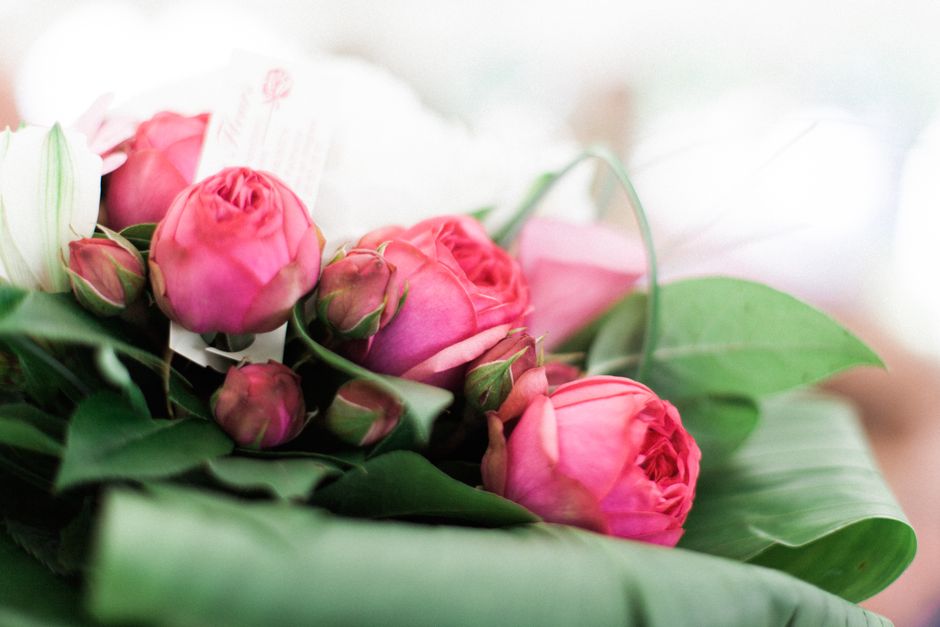
Common Mistakes to Avoid
Most wedding flower problems are preventable. They usually come from assumptions rather than bad intentions.
- Leaving flowers too late: Good wedding florists book ahead, especially for spring and summer weekends.
- Giving only vague instructions: "Something pretty" is not enough. Helpful? Not really.
- Ignoring venue restrictions: Some venues limit candles, hanging installations, or floor-standing pieces. Always check before designing.
- Mixing too many flower styles: A soft garden look, a tropical look, and a formal classic look rarely sit happily together.
- Forgetting the practical flow: If the bouquet is too large, the bride may find it awkward. If buttonholes are too fragile, they may not last the whole day.
- Over-ordering unused extras: It is easy to get carried away. Better to have one well-placed design than six arrangements that do not add much.
Another one that catches people out: not asking who will set up and clear down the flowers. If the florist is not handling installation, someone else will need to do it. On a wedding day, that "someone else" often becomes the least available person in the room.
Try not to plan based only on bouquet photos either. A gorgeous bouquet does not automatically mean the florist is right for your venue or full wedding brief. Always look at the whole service, not just the prettiest picture.
Tools, Resources and Recommendations
You do not need special software to plan wedding flowers, but a few practical tools make things far easier.
- Shared mood board: Use one place to collect colour ideas, dress photos, venue shots, and bouquet styles.
- Guest and table plan: Helpful for estimating how many table arrangements you may need.
- Venue measurements: Useful if you want arches, aisle pieces, or tall centrepieces.
- Wedding timeline: Helps the florist work out delivery and setup windows.
- Flower-care notes: Useful if bouquets need to be held for a while before the ceremony.
It also helps to browse related product categories so you can speak more confidently in consultations. For example, if you want coordinated reception flowers, take a look at table arrangements. If you are leaning toward a more full-service wedding look, the broader wedding flowers in Dulwich SE21 page is a practical place to compare options.
For colour direction, browsing a few style families can help you identify what feels right. White and green is calm and classic. Pink can feel romantic and fresh. Mixed colours can be joyful and energetic. It is not about being trendy; it is about being true to the day you actually want.
And yes, asking a florist for advice is a tool in itself. A good one will tell you where your budget will go furthest, which flowers are best for the season, and where you can trim without the design looking thin.
Law, Compliance, Standards, or Best Practice
Wedding floristry is not heavily regulated in the way some industries are, but there are still sensible standards and best practices that matter. The big ones are clear contracts, honest product descriptions, reliable delivery arrangements, and a careful approach to any venue rules.
In the UK, it is sensible for customers to expect clear pricing, written order details, and fair information about substitutions if a flower is unavailable. Florists should be transparent about what is included, what is optional, and what may change due to seasonality. That is ordinary good practice, not a fancy extra.
If you are comparing suppliers, ask about:
- delivery windows and access arrangements
- refund or cancellation terms
- what happens if a specific flower is unavailable
- whether setup and collection are included
- how fragile items are packaged for transport
You may also want to check broader business pages such as terms and conditions, returns and refunds, and guarantees before placing an order. Those pages are worth reading even when you are mostly excited about peonies and ribbons.
Best practice also includes sustainability where possible. If that matters to you, look for clear information on sourcing and waste reduction. You do not need perfection here. You do need honesty.
Options, Methods, or Comparison Table
Not every wedding needs the same floral approach. Here is a simple comparison to help you think through the main options.
| Approach | Best for | Strengths | Watch-outs |
|---|---|---|---|
| Full bespoke wedding floristry | Couples with a clear vision and multiple floral touchpoints | Highly tailored, cohesive, venue-specific | Usually requires more planning and a larger budget |
| Collection-based wedding ranges | Couples who want coordination without starting from scratch | Quick to choose, easier to compare, often simpler to brief | Less flexibility than fully bespoke designs |
| Minimal bouquet-led styling | Smaller weddings or tighter budgets | Elegant, cost-conscious, low stress | Can feel sparse if the venue is large or very formal |
| Room-wide floral styling | Couples prioritising impact and photography | Striking visuals, strong atmosphere | Needs careful venue coordination and more installation planning |
For many couples, a collection-based route is the sweet spot. You still get coherent wedding flowers, but you are not staring at a blank page trying to describe the exact shade of "soft dusty dusk rose" at 10 pm on a Tuesday. Delightful though that sounds.
If you want a simple starting point, compare bridal and bridesmaid options with practical supporting pieces like wedding corsages and wedding gifts for a coordinated gifting touch.
Case Study or Real-World Example
Imagine a couple getting married near Lordship Lane who want a relaxed, elegant day rather than a grand formal event. They have a late-morning ceremony, a small reception, and a tight schedule. They like soft whites, a bit of green, and one or two gentle pink accents. Nothing too stiff.
Instead of trying to cover every possible floral moment, they focus on the elements guests will actually notice: a bridal bouquet, two bridesmaid bouquets, buttonholes, a small ceremony arrangement, and several low table pieces. The florist suggests sturdy seasonal blooms, keeps the palette consistent, and avoids oversize arrangements that would crowd the tables.
What happens next is pretty typical. The couple reviews a few options, tweaks the bouquet shape, and settles on a cleaner ribbon finish. On the day, the flowers arrive in good time, the room feels calmer and more complete, and the photographs have a soft, lived-in quality. Not overstyled. Just right.
That is the real win. Not a floral spectacle for its own sake, but flowers that support the day without taking over it.
In situations like this, a local florist that understands wedding flowers and day-of logistics is worth its weight in roses. Or peonies. Or whatever the seasonal hero turns out to be.
Practical Checklist
Use this checklist before you confirm your wedding flowers.
- Have you confirmed the wedding date and venue?
- Do you know your ceremony and reception times?
- Have you set a realistic floral budget?
- Do you have a clear colour palette?
- Have you chosen a style direction: classic, modern, romantic, wild, or minimal?
- Have you listed the key items you need: bouquet, bridesmaid bouquets, buttonholes, table arrangements, and ceremony flowers?
- Have you checked whether the venue has restrictions on installations or setup timing?
- Have you asked about seasonal substitutions?
- Have you confirmed delivery and collection details?
- Have you reviewed the florist's terms, guarantees, and care guidance?
If you can answer yes to most of these, you are in a strong place. If not, no problem. Better to catch the gaps now than two days before the wedding when everyone is already halfway into a panic.
Get a free quote today and see how much you can save.
Conclusion
Finding the Top florists on Lordship Lane for wedding flowers is really about finding the right balance of creativity, reliability, and local know-how. A strong florist helps you make good decisions, avoids avoidable stress, and turns your ideas into flowers that genuinely suit the day.
Start with the venue, the mood, and the practical needs. Then choose someone who can guide you through the details without making the process feel heavy. The right flowers will not solve everything, obviously, but they do have a lovely way of making the whole day feel more complete.
And if the planning starts to feel a bit much, that is normal. Breathe, look at the big picture, and remember: the best wedding flowers are the ones that help the day feel like yours.
Frequently Asked Questions
How far in advance should I book wedding flowers on Lordship Lane?
As early as you can, especially for spring and summer weddings. Popular dates tend to go first, and earlier booking gives you a better chance of securing the style and flower choices you want.
Can a florist help if I only need a bridal bouquet and buttonholes?
Yes. Many couples choose a smaller floral package and still get a polished result. A good florist can scale the design to suit a simple ceremony without making it feel underdone.
What flowers work best for a wedding bouquet in the UK?
That depends on the season, style, and durability you need. Roses, lisianthus, orchids, hydrangeas, and seasonal mixed blooms are all common choices, but the best option depends on your look and timing.
How do I make sure my wedding flowers match the venue?
Share photos of the venue, the ceremony space, and any table layout details. A florist can then suggest scale, colour, and arrangement styles that suit the room rather than fighting it.
Is it cheaper to choose a wedding collection instead of a bespoke design?
Often, yes. Collections can reduce decision-making time and keep the design more streamlined. Bespoke floristry offers more flexibility, but it may also involve more planning and cost.
What if my favourite flowers are not in season?
A good florist will suggest alternatives that create a similar mood or shape. Seasonal substitutions are normal in wedding floristry, and they often lead to better results anyway because the flowers tend to be fresher and more reliable.
Do wedding florists usually deliver and set up the flowers?
Many do, but not always in the same way. Always check whether delivery, setup, and collection are included, and confirm the exact times so nothing gets missed on the day.
How do I choose between white flowers and mixed colours?
White flowers usually feel classic, calm, and elegant. Mixed colours can feel warmer, more playful, or more expressive. The right choice depends on your venue, dress, and the feeling you want guests to have when they walk in.
What should I ask a florist before booking?
Ask about availability, seasonality, delivery, setup, substitutions, cancellation terms, and whether the florist has worked with similar weddings before. Those questions give you a clearer sense of how the process will run.
Can I reuse ceremony flowers at the reception?
Yes, and it is a smart way to stretch your budget. Some ceremony pieces can be moved to a top table, bar area, or gift table after the vows, as long as the setup plan allows for it.
How do I avoid spending too much on wedding flowers?
Focus your budget on the areas people will see most, such as the bouquet, ceremony focal point, and main table pieces. Then simplify less visible items. A thoughtful plan usually beats a long shopping list.
Are flower delivery and wedding floristry the same thing?
Not quite. Delivery services are useful for standard orders, but wedding floristry usually involves more planning, coordination, and timing around the venue. If you need wedding-specific designs, look for products and services built for that purpose.